Choose the best mobile RV inspection service by verifying NRVIA or RVIA certification, confirming the technician carries liability insurance, and checking for a written inspection report tied to recognized standards. A1 RV Repair has completed 12,000+ repairs and inspections with a 4.8-star rating across Florida, Idaho, Oklahoma, Texas, and Washington. Every A1 dispatch is performed by a vetted local pro backed by A1's nationwide warranty. The RV market has grown sharply since 2020, and so has the number of people hanging out a shingle as "RV inspectors" with no formal training. According to NRVIA Inspection Protocols, a qualified inspector must complete documented coursework, pass a proctored exam, and demonstrate field competency before earning the right to issue a certified inspection report. Skipping that vetting step costs buyers real money. Marcus Reyes, Lead Mobile RV Technician at A1 RV Repair and an RVIA Certified Technician, NRVIA Certified Inspector, and RVDA Master Technician, has seen firsthand what happens when buyers rely on unqualified inspectors. A missed moisture intrusion behind a Lippert slide-room frame or a failed Dometic refrigerator seal that slipped by an uncertified tech can add thousands in repair costs within the first camping season. This guide gives you the exact framework to avoid that outcome.
How to Choose the Best Mobile RV Inspection Service Company
The single most important step is credential verification. The NRVIA Inspection Protocols define a tiered certification path - Level 1, Level 2, and Master Inspector - each requiring documented field hours and continuing education. An inspector who cannot produce a current NRVIA certificate number or an RVIA Standards-recognized technician badge should be passed over, regardless of price. Beyond credentials, ask whether the company carries general liability insurance and errors-and-omissions (E&O) coverage. E&O coverage is the policy that pays out if an inspector misses a defect that causes financial harm. Many solo operators skip it because premiums are steep. If a company cannot produce a certificate of insurance within 24 hours of your request, that is a firm red flag. Finally, look for a company that delivers a written, itemized inspection report with photos rather than a verbal walkthrough. RVDA Technician Certification standards require certified techs to document findings in a format that a third-party lender, insurer, or attorney can read. A verbal-only report protects the inspector, not you. A1 RV Repair dispatches certified inspectors in Florida, Idaho, Oklahoma, Texas, and Washington, and is expanding via screened licensed local vendors - see our credentials for full certification details.
What Certifications Should a Mobile RV Inspector Have?
Three credential bodies matter most in the RV industry: NRVIA, RVIA, and RVDA. The NRVIA (National RV Inspectors Association) issues the most inspection-specific credential and is the standard most lenders and insurers recognize when evaluating a pre-purchase inspection report. RVIA (Recreation Vehicle Industry Association) credentials are common among technicians who build and repair RVs and carry significant weight for mechanical and systems work. RVDA (Recreation Vehicle Dealers Association) certification, specifically the RVDA Master Technician designation, signals advanced diagnostic ability across all major RV systems - electrical, plumbing, propane, HVAC, and structural. Marcus Reyes holds all three credentials, which is uncommon and worth asking about when interviewing any prospective inspector. Beyond the big three, check whether the inspector references EPA guidelines for refrigerant handling and NFPA 58 standards for propane safety testing. An inspector who cannot cite the NFPA 58 code when you ask about the propane safety test portion of an inspection has likely not performed that test correctly. Propane leaks are the leading cause of RV fires, and a proper leak-down test using calibrated equipment is non-negotiable on any inspection above a basic walk-around.
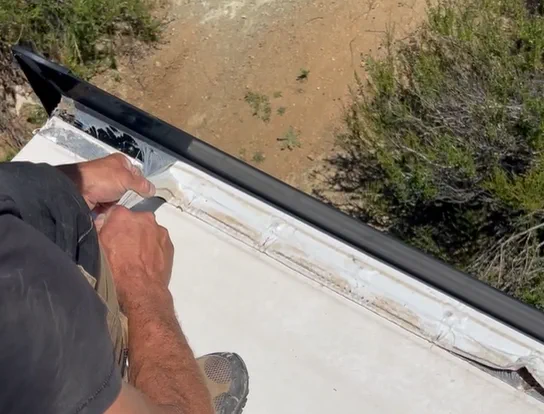
What Does a Full Mobile RV Inspection Actually Cover?
A complete inspection following NRVIA Inspection Protocols covers six core systems: roof and exterior structure, frame and undercarriage, electrical (both 12V DC and 120V AC), propane and combustion appliances, plumbing and water systems, and interior moisture assessment. Each system has sub-checks - a Lippert leveling system test falls under frame, while a Dometic air conditioner draw test falls under electrical. Moisture meter readings are one of the most important parts of the inspection and one of the most commonly skipped by unqualified inspectors. NOAA climate data shows that RVs stored or used in high-humidity coastal states like Florida accumulate wall cavity moisture at rates 40% higher than RVs in dry climates like Idaho or Oklahoma. A calibrated moisture meter catches that damage before it becomes delamination. The propane safety test involves pressurizing the propane system, isolating it, and monitoring for pressure drop over a timed interval. FEMA incident data consistently ties LP gas failures to inadequate pre-season inspections. Any inspector who skips this step on an older rig - particularly coaches with aged Norcold refrigerators or older Atwood water heaters - is leaving a dangerous gap in the report. Our mobile rv inspection service team includes all six system categories in every dispatch.
Red Flags to Watch for When Hiring an RV Inspector
The first red flag is a flat refusal to provide a written, photo-documented report. Some inspectors offer a "same-day verbal summary" as their only deliverable. That format cannot be used for insurance claims, negotiation leverage, or warranty disputes. Walk away. The second major red flag is pricing that is too low. A legitimate NRVIA-certified inspector spending two to four hours on a full inspection of a Class A motorhome cannot do that work profitably for $75 or $100. Inspections priced below $150 almost always reflect a reduced scope - typically a visual-only walk-around with no system testing. The $150-$400 range reflects the true cost of a thorough, certified inspection with equipment use. Third, be cautious of any inspector who also sells RVs or works on commission for a dealership. The NRVIA code of ethics prohibits certified inspectors from having a financial interest in the outcome of an inspection. If the inspector you hire stands to earn a referral fee from the seller, that is a direct conflict of interest. Always ask: "Do you have any financial relationship with the seller or the dealership?" A clean answer is no.
Pro Tip: Ask These 5 Questions Before Booking
1. Can you provide your current NRVIA certificate number or RVIA technician ID? 2. Do you carry general liability AND errors-and-omissions insurance? 3. Will I receive a written, photo-documented report within 24 hours? 4. Do you perform a propane pressure leak-down test and use a calibrated moisture meter? 5. Do you have any financial relationship with the seller or dealer? A reputable inspector answers all five without hesitation.
| Inspection Type | National Avg | Typical Mobile Fee |
|---|---|---|
| Basic Walk-Around (visual only) | $150 | Included |
| Standard Pre-Purchase (all systems) | $250-$300 | Included |
| Full Master Inspection (Class A/B/C + moisture + propane) | $350-$400 | Included |
Pricing Disclaimer
All prices shown are national averages and depend on parts availability, RV model, scope of work, and regional labor rates. Only an on-site diagnosis by our certified technician produces a binding quote. Call (866) 623-1340 for a free estimate.
How the A1 RV Repair Screened-Vendor Network Works
A1 RV Repair was founded in 2018 in Port St. Lucie, Florida by Marcus Reyes. The company is currently active with direct technicians in Florida, Idaho, Oklahoma, Texas, and Washington. Outside those five states, A1 dispatches through a network of screened licensed local vendors - independent certified technicians who have passed A1's background check, credential verification, and insurance review process. Every vendor in the A1 network must hold at minimum an NRVIA Level 1 certification or RVIA technician credential, carry a current certificate of insurance, and use A1's standardized inspection report format. That standardization means a buyer in Boise, Idaho gets the same report structure and coverage depth as a buyer in Dallas, Texas. The dispatching technician may be local, but the standards are A1's. The warranty backing is a key differentiator. When a local solo inspector misses a defect, the buyer's only recourse is a civil dispute with one individual. When an A1 dispatched technician - whether a direct employee in Tampa, Florida or a screened vendor in an expansion market - misses a covered item, A1's dispatch warranty applies. That is a meaningful layer of protection. You can learn more at about A1 RV Repair or check out our Complete RV Pre-Purchase Inspection Guide for deeper guidance on what to expect.
Pre-Purchase vs. Annual Inspection: Which Do You Need?
A pre-purchase inspection is performed before you buy an RV and is designed to uncover hidden defects that affect value or safety. It is the higher-stakes inspection because money is still on the table. The findings from a pre-purchase inspection give buyers leverage to negotiate price reductions, request repairs before closing, or walk away from a bad deal entirely. Our Complete RV Pre-Purchase Inspection Guide covers the full pre-buy process in detail. An annual inspection is performed on an RV you already own, typically at the start of the camping season or before a long trip. It functions more like a wellness check - verifying that systems are functioning correctly, identifying wear before it becomes failure, and updating any deferred maintenance items. NOAA seasonal data shows that RVs in Florida face peak humidity stress between June and September, making late spring the optimal annual inspection window for snowbirds. The Snowbird Arrival Checklist: Pre-Winter RV Inspection in Florida is a good companion read if you winter in the Southeast. Both inspection types use the same certified-inspector skill set and the same equipment. The difference is context and urgency. A pre-purchase inspection has a deadline tied to a purchase contract. An annual inspection can be scheduled at your convenience - though scheduling early in spring avoids the summer backlog that hits technicians across Florida, Texas, and Washington every year.
How to Verify an Inspector's Credentials Before You Book
The NRVIA maintains a public directory at nrvia.org where you can search by inspector name or certificate number. If the inspector you are considering does not appear in that directory - or if the certificate shown has lapsed - their NRVIA claim is invalid. This search takes under two minutes and should be the first thing you do after receiving a quote. For RVIA credentials, the verification process goes through RVIA Standards documentation at rvia.org. RVIA technician certifications are tied to specific skill areas - electrical, plumbing, HVAC, and appliances - so ask which areas the inspector is certified in rather than accepting a blanket "RVIA certified" claim. An RVIA electrical certification does not automatically qualify someone to certify a propane system. If the inspector claims RVDA Master Technician status - the credential Marcus Reyes holds - you can request the certificate number and verify it through the RVDA Technician Certification database at rvda.org. Master Technician status requires passing exams across all major RV systems, making it one of the broadest competency signals in the industry. For a deeper look at what electrical system issues an inspector should catch, the rv electrical systems cost guide 2026 is a useful reference before your appointment. To book with A1's verified team directly, visit our rv inspection service team or call (866) 623-1340.
Questions about rv inspection service? Call (866) 623-1340. Same-day dispatch available in active metros (Florida, Idaho, Oklahoma, Texas, Washington). Flat-rate pricing, written estimates before work.